
 English
Views: 0 Author: Site Editor Publish Time: 2026-03-11 Origin: Site


In the world of medical procedures, especially those involving the spine, spinal needles are among the most critical tools for successful outcomes. Whether you are performing a lumbar puncture, administering anesthesia, or collecting cerebrospinal fluid, selecting the right spinal needle size is a crucial step. The size of the spinal needle affects not only the comfort and safety of the patient but also the accuracy of the procedure.
At Jiangsu Province Mingsheng Medical Apparatus Industry Co., Ltd., we are well aware of the importance of proper spinal needle selection in clinical practice. Over the years, we’ve learned that a clear understanding of spinal needle sizes and their specific uses can make all the difference in achieving the desired outcome for both healthcare professionals and patients.
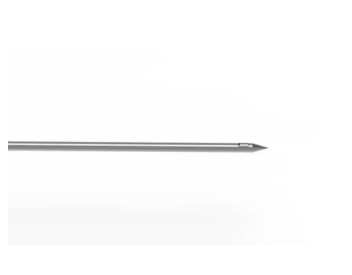
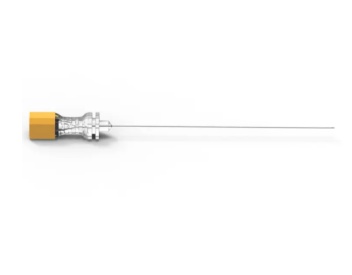
Spinal needles are specialized medical needles used in spinal procedures. They are designed to access the epidural or subarachnoid space to administer medications (such as anesthetics), withdraw cerebrospinal fluid, or perform diagnostic tests. The needle consists of a long, hollow shaft with a sharp, beveled tip that helps facilitate precise entry into the spinal column.
Key components of a spinal needle:
Needle Shaft: The length of the needle shaft can vary depending on the procedure.
Bevel Tip: The sharp edge of the needle that allows for smooth penetration into the skin and deeper layers.
Hub: The part of the needle that is attached to the syringe or other medical equipment.
Spinal needles are available in various sizes, which refers to both their gauge (diameter) and length. The size selected depends on the specific procedure, the patient’s condition, and the healthcare provider’s preference.
Choosing the right spinal needle size is critical for several reasons:
Patient Comfort: A needle that is too large may cause unnecessary tissue damage and discomfort, while a needle that is too small may be inefficient in achieving the desired result.
Procedure Accuracy: A needle that is too large or small may affect the precision of needle placement, which is essential in procedures like spinal anesthesia or lumbar puncture.
Safety: Selecting the correct size reduces the risk of complications such as dural puncture, bleeding, and post-procedural headaches.
In order to determine the best needle size, it is important to consider factors such as the patient's body size, the depth of the target space, and the specific procedure being performed.
The gauge of a spinal needle refers to the thickness or diameter of the needle. The higher the gauge, the thinner the needle. For example, a 27-gauge needle is thinner than a 20-gauge needle. The gauge selection depends on the procedure and the requirement for precision, safety, and comfort.
Gauge | Diameter (mm) | Common Use | Advantages | Disadvantages |
18G | 1.2 mm | Large volume procedures, epidural anesthesia | Fast fluid administration | Larger, less comfortable |
20G | 0.9 mm | Epidural anesthesia | Quick administration, less painful than 18G | Larger size may cause more discomfort |
22G | 0.7 mm | Spinal anesthesia, lumbar puncture | Smaller diameter, reduced pain | May be slower for fluid withdrawal |
25G | 0.5 mm | Pediatric patients, small procedures | Very thin, minimal discomfort | Slower fluid withdrawal |
27G | 0.4 mm | Highly sensitive spinal procedures | Ideal for delicate procedures | May be difficult to use for certain applications |
The length of the spinal needle is also an important consideration. The length determines how deeply the needle can reach into the patient’s body to access the spinal column. Typically, spinal needles range from 3 inches (7.5 cm) to 5 inches (12.5 cm), with some specialized needles extending even longer for deeper access.
Shorter needles (3 inches) are often used for procedures involving the lumbar spine in children or thin adults.
Longer needles (4-5 inches) are required for reaching the epidural space or accessing deeper spinal areas in adults with more body mass.
The length is crucial for avoiding injury to surrounding tissues and ensuring that the needle reaches the correct target area.
Selecting the appropriate spinal needle size is essential for achieving optimal results during spinal procedures. Each procedure has its own requirements in terms of needle gauge (diameter) and length. The choice between 22G, 25G, or 27G needles, for instance, depends on factors like the procedure type, patient characteristics, and the level of comfort required. Here’s a breakdown of the needle sizes commonly used for different spinal procedures:
A lumbar puncture is performed to collect cerebrospinal fluid (CSF) for diagnostic testing, or to administer medication, such as for spinal anesthesia or chemotherapy. During this procedure, doctors need a needle that can easily access the subarachnoid space while minimizing trauma to surrounding tissues. The most commonly used spinal needle sizes for lumbar punctures are 22G and 25G. These sizes strike a balance between patient comfort and effective fluid withdrawal.
22G and 25G needles: The 22G needle is typically used when a larger volume of CSF needs to be collected, or when faster fluid withdrawal is necessary. The 25G needle is slightly smaller, often used when precision and minimal discomfort are more important than speed, especially for adults.
27G needles: Occasionally used in pediatric patients or individuals who are very thin, as they provide a less invasive approach, minimizing tissue trauma. However, a 27G needle may slow the CSF collection process.
Epidural anesthesia is commonly administered during labor and delivery or surgical procedures, particularly when longer-lasting pain relief is needed. The needle size plays an important role in the comfort and effectiveness of the procedure.
20G or 22G needles are the most commonly used sizes for epidural procedures. These larger needles allow for faster medication administration and are ideal for adults and larger patients. The larger size also allows the clinician to inject a sufficient volume of anesthetic to block pain in the desired region.
In certain cases, smaller needles might be used for delicate patients or when minimizing discomfort is the priority. These needles allow for more precision, although they may take slightly longer to administer the medication and might be less effective for those requiring higher doses.
Spinal anesthesia is typically used in short-term surgeries (such as C-sections or lower abdominal operations) where fast and effective pain relief is needed. The 25G and 27G needles are the preferred choices for spinal anesthesia due to their precise and minimally painful characteristics. These sizes allow the needle to easily penetrate the subarachnoid space without causing excessive discomfort to the patient.
25G and 27G needles are typically chosen for spinal anesthesia because they provide optimal precision while minimizing the risk of post-procedure headaches or other complications.
Smaller needles are also preferred in shorter procedures where the anesthesia needs to be administered in a controlled manner. The 27G needle is especially suitable for patients who are more sensitive to needle size, ensuring a smooth and less traumatic experience.
Selecting the right spinal needle size is essential for ensuring the comfort and safety of the patient while achieving the necessary procedural accuracy. Whether you are performing a lumbar puncture, spinal anesthesia, or administering epidural anesthesia, understanding the differences in needle gauge and length can make a significant impact on the success of your procedure.
At Jiangsu Province Mingsheng Medical Apparatus Industry Co., Ltd., we specialize in providing high-quality spinal needles that meet the specific needs of healthcare providers. Our wide range of spinal needle sizes ensures that you can find the perfect fit for every patient and procedure, delivering the precision, safety, and comfort required for successful outcomes. To learn more about our products and how we can support your medical practice, please contact Jiangsu Province Mingsheng Medical Apparatus Industry Co., Ltd. for further information.
A 22G needle has a slightly larger diameter and is typically used for faster fluid withdrawal or larger procedures, while a 25G needle is thinner and may be chosen for procedures requiring more precision or for pediatric patients.
The appropriate needle length for a lumbar puncture typically ranges between 3 and 5 inches depending on the patient’s size. A shorter needle is suitable for thinner individuals, while a longer needle may be needed for patients with more tissue.
No, while both procedures use spinal needles, the gauge and length of the needle can vary depending on the specific needs of the procedure. Epidural anesthesia often uses larger needles (e.g., 20G or 22G), while spinal anesthesia may require smaller needles (e.g., 25G or 27G) for precision and comfort.
When selecting a spinal needle, consider factors such as patient size, the type of procedure, needle gauge for comfort, needle length for effective access, and the experience of the healthcare provider performing the procedure.


