
 English
Views: 0 Author: Site Editor Publish Time: 2026-07-25 Origin: Site


Healthcare facilities constantly balance stringent infection control mandates against strict departmental budget constraints. Selecting the right radiofrequency (RF) ablation tools represents a significant, immediate procurement challenge. Procurement teams navigate complex purchasing choices daily. Managing these critical medical supply chains requires deep clinical insight and strategic foresight.
The debate over RF equipment goes far beyond a simple unit-cost comparison. It acts as a strategic facility-level decision directly impacting daily clinical workflows. These choices heavily influence critical patient safety metrics and overall hospital efficiency. Buying the wrong supplies can easily bottleneck entire surgical departments. Administrators face immense pressure to optimize every single operational variable seamlessly.
We will objectively explore how both modalities offer distinct operational advantages. You will learn how facility volume dictates the right inventory choice. We will examine how sterilization capacity and specialized clinical applications influence your final decision. We aim to provide a clear, evidence-based perspective. This guide will streamline your next medical inventory upgrade effectively.
Performance Consistency: Disposable RF electrodes guarantee baseline impedance and zero insulation degradation per procedure, whereas reusable electrodes require strict lifecycle tracking to prevent lesion variability.
Cost Dynamics: While reusable electrodes offer a lower per-procedure material cost over their lifespan, hidden costs in sterilization labor, inventory tracking, and compliance reporting often offset these savings.
Risk Mitigation: The shift toward disposable units is largely driven by regulatory scrutiny on cross-contamination and the difficulty of completely eliminating biofilms from intricate RF probe components.
Decision Driver: The optimal choice depends heavily on a facility’s Central Sterile Services Department (CSSD) bandwidth and specific procedural volume.
Modern healthcare facilities face critical business and clinical problems when upgrading their RF ablation inventory. It is no longer just about buying standard medical supplies. Facilities must align equipment purchases directly to measurable operational outcomes. We need to define the primary success criteria for these specialized tools. Every procurement team must evaluate these core pillars before signing a purchase order.
Clinicians require highly predictable thermal lesions during every single case. They need stable electrical impedance and precise temperature monitoring. Device failure is absolutely not an option during delicate neurological procedures. Consistent energy delivery remains the ultimate clinical goal. If a probe falters, patient outcomes suffer immediately. Doctors rely entirely on their tools to deliver precise pulsed or continuous RF energy.
Every busy clinic needs to manage rapid case turnarounds efficiently. Administrators must balance daily patient throughput against the time required for proper device reprocessing. High-volume pain management centers often struggle if equipment stays trapped in the sterilization queue. Scalability relies entirely on having sterile tools ready exactly when doctors need them. Delayed cases frustrate patients and waste expensive operating room time.
Hospitals face increasingly strict safety protocols today. Global health directives heavily regulate the reuse of invasive neurological devices. Navigating these mandates takes significant administrative effort and dedicated staff training. Compliance failure brings massive fines and severe reputational damage. Teams must ensure their chosen equipment meets every current industry safety standard flawlessly.
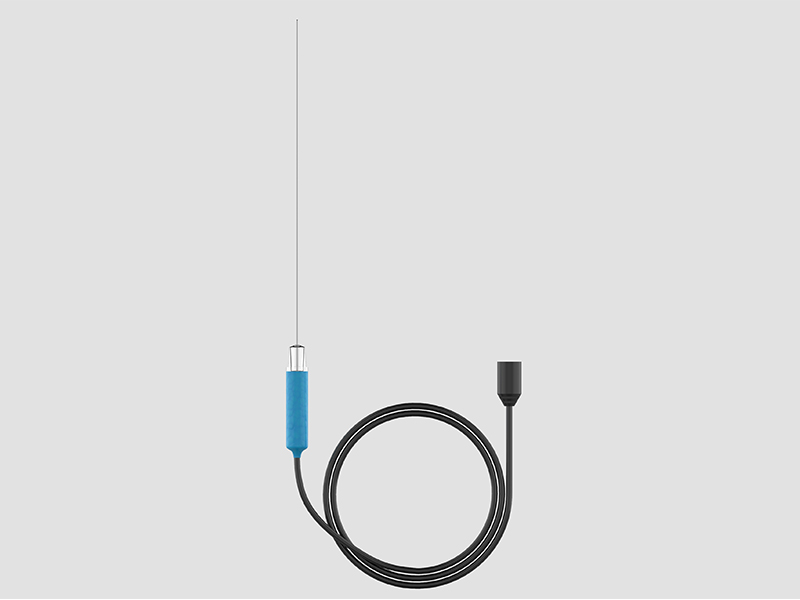
Analyzing how each electrode type performs under harsh clinical realities is crucial. We must focus on how physical features translate directly into patient outcomes. The physical degradation of delicate surgical tools plays a massive role here. Understanding device lifespans helps clinics maintain a high standard of patient care.
Manufacturers build reusable tools using highly durable metals. Medical-grade stainless steel and flexible nitinol form the core structure. Engineers design these metals to withstand multiple harsh autoclave cycles. They handle the physical demands of repeated tissue insertion beautifully.
However, there is a significant risk factor over time. Repeated thermal stress from sterilization gradually degrades the dielectric insulation. This micro-thin coating protects non-target tissue from errant RF energy. This degradation can alter the designated RF energy field drastically. It often shifts the expected thermal spread and decreases critical signal accuracy. Over many cycles, you might notice slight variations in clinical lesion size. A reusable RF electrode demands careful visual inspections before every single procedure.
Single-use tools offer an entirely different clinical baseline for physicians. They ensure perfect factory-calibrated accuracy for every single patient. The manufacturer tests them right before sealing the sterile pouch. This practice eliminates the unpredictable "wear and tear" variable entirely.
Clinicians do not need to factor in probe age when calculating energy delivery. They simply open the sterile package and proceed confidently. A disposable RF electrode removes dangerous guesswork from the surgical equation. It guarantees consistent lesion sizes and optimizes patient safety every time.
This comparison chart highlights the core functional differences between the two modalities:
Performance Metric | Single-Use Modality | Reusable Modality |
|---|---|---|
Baseline Impedance | Factory calibrated per case | Varies slightly with tool age |
Insulation Integrity | 100% intact guaranteed | Degrades over multiple autoclave cycles |
Lesion Predictability | Highly consistent delivery | Requires clinical monitoring over time |
Pre-Op Inspection | Minimal visual check needed | Requires high-magnification scanning |
Patient safety remains the most critical lens for medical buyers today. Nosocomial infections pose massive financial and clinical threats to modern healthcare facilities. We must address the inherent physical challenges in cleaning reusable RF probes. These specialized devices feature microscopic crevices right at the thermocouple junction. Blood, lipids, and tissue easily trap inside these tiny mechanical spaces.
Industry-wide concern continues growing regarding deadly prion diseases like CJD. Heat-resistant biofilms also present a terrifying challenge for sterilization departments. Biofilms are complex communities of bacteria anchoring securely to foreign surfaces. Once a biofilm forms on a metal probe, it secretes a protective matrix. Standard autoclaving may not entirely neutralize these stubborn biological contaminants. If a technician places a poorly cleaned probe into an autoclave, high heat bakes the proteins onto the metal.
Opting for single-use devices provides a zero-risk solution for cross-contamination. You literally throw the biological risk away immediately after the procedure ends. This approach aligns perfectly with modern zero-tolerance infection control policies. Facilities prioritizing absolute patient safety find immense value in eliminating reusable variables. It provides total peace of mind for both vulnerable patients and hospital administrators.
Best Practice: Always align your core procurement strategy directly with your hospital's infection control board guidelines.
Common Mistake: Assuming standard ultrasonic cleaning baths fully eradicate hardened biofilms on complex neurological tools.
Implementing reusable tools introduces heavy implementation realities into a clinic. We must break down the true labor requirements associated with medical reprocessing. Staffing shortages make efficient workflows more critical than ever.
Handling reusable probes requires incredibly strict daily protocols. These demanding steps consume massive amounts of highly paid staff time.
Staff perform point-of-use enzymatic pre-cleaning immediately after surgery concludes.
They safely transport the biohazard materials directly to the decontamination area.
Technicians run the probes through specialized ultrasonic cleaning cycles carefully.
They conduct meticulous visual inspections using high-powered surgical magnification.
The equipment undergoes full high-temperature autoclaving protocols.
Staff must wait for the necessary cool-down period before secure storage.
Administrators carry a heavy burden logging exact usage cycles daily. You must track every single reusable probe individually through its lifespan. Facilities do this to ensure they retire tools before failing strict safety thresholds. These critical limits usually range from 10 to 50 cycles.
Missing a simple log entry compromises patient safety immediately. It forces clinics to implement expensive tracking software and dedicated barcoding systems. Nurses spend valuable hours logging cycles instead of caring for patients directly.
Delays from sterilization cycles severely bottleneck busy procedure rooms. We must contrast this against the efficiency of single-use electrodes. Disposables offer immediate out-of-the-box readiness for the surgical team. You open the package and start the clinical case immediately.
This remarkable speed directly increases daily procedure volume safely. Faster turnarounds mean treating more patients without stressing the nursing staff. It keeps the operating room schedule running perfectly on time.
When evaluating a disposable vs reusable RF electrode, buyers need strong logic. Your specific facility profile dictates the absolute optimal choice. Let's examine a few common operational scenarios to guide your procurement strategy.
Massive hospitals often maintain a dedicated Central Sterile Services Department (CSSD). They might still benefit operationally from a reusable equipment fleet. However, they must possess dedicated tracking software to succeed. They require stringent, verifiable reprocessing protocols managed by certified technicians. If the CSSD runs smoothly and handles massive capacity, reusables remain a viable, high-volume option.
Resource-constrained teams operate entirely differently from massive hospitals. They strongly favor the single-use modality for daily operations. This choice maximizes patient throughput effortlessly and safely. It guarantees regulatory compliance without requiring heavy administrative oversight.
Outpatient clinics simply cannot afford to build heavy sterilization infrastructure. They need speed, predictable performance, and absolute simplicity above all else. Disposables fit this agile business model perfectly.
Many smart facilities blend both strategies effectively to maintain operational flexibility. They keep a limited stock of reusables for high-frequency, low-risk procedures. Meanwhile, they maintain a solid reserve of disposables for high-risk patients. This safety net proves invaluable when the main autoclave suddenly breaks down. A hybrid setup ensures you never cancel a lucrative case due to unexpected equipment shortages.
The transition toward single-use medical devices represents a massive workflow optimization strategy. It is not merely a passing clinical preference for modern doctors. Facilities now prioritize strict risk-management over comfortable, traditional procurement habits. You must carefully weigh your hidden labor costs and actual sterilization bandwidth. Compare those heavy administrative burdens against the highly predictable nature of single-use items.
Make procurement decisions based on verifiable data and your true operational capacity. Upgrading your inventory properly will elevate both staff efficiency and baseline patient safety.
Consider taking these actionable steps next:
Audit your current sterilization workflow to identify recurring case bottlenecks.
Review your state and local regulations regarding strict prion disease protocols.
Consult with a device representative to request a sample for clinical evaluation.
A: Manufacturer guidelines typically range from 10 to 50 cycles. This depends entirely on the specific brand and the approved hospital autoclave method. You must conduct a mandatory visual inspection before every single use. Always retire the probe immediately if you spot micro-cracks or insulation wear.
A: Yes, they are highly compatible. Most single-use options feature standard industry connector types. Manufacturers also provide universal adapter cables upon request. This allows older legacy generators to connect seamlessly with modern single-use probes. You rarely need to replace your capital equipment to make the switch.
A: Absolutely. Repeated thermal stress creates micro-cracks in the vital protective coating. These microscopic flaws can easily alter the designated lesion shapes. They significantly increase the risk of accidental non-target tissue burns. Strict monitoring remains non-negotiable to prevent these severe clinical complications.
A: Single-use items undoubtedly generate more direct physical medical waste. However, reusable tools require massive amounts of heavy water for cleaning. Hospital autoclaves also consume staggering levels of electrical energy daily. Facilities must balance the carbon footprint of intensive sterilization against the actual volume of solid medical waste.


