
 English
Views: 0 Author: Site Editor Publish Time: 2026-03-09 Origin: Site


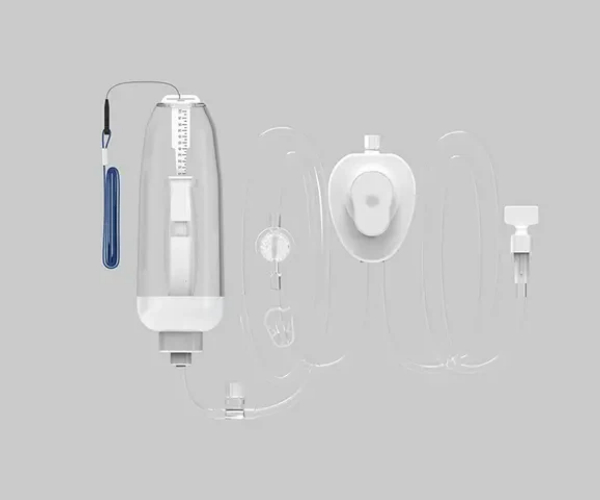
An Infusion Pump is a vital medical device designed to deliver fluids, medications, and nutrients into a patient’s body in a controlled and precise manner. Unlike manual administration methods, an infusion pump ensures accuracy, consistency, and safety, making it an essential component in modern healthcare environments.
In clinical practice, the demand for precise drug delivery has increased significantly due to the complexity of treatments and the need for improved patient outcomes. The infusion pump addresses this need by enabling healthcare providers to administer exact dosages over a specified period, reducing variability and enhancing treatment effectiveness.
From operating rooms to intensive care units (ICUs), infusion pumps are widely used across various medical settings. Their ability to maintain consistent flow rates and support different therapeutic applications makes them indispensable in anesthesia, pain management, and critical care.
The primary use of an Infusion Pump is to deliver fluids and medications with a high degree of precision. This function is particularly important in treatments where dosage accuracy directly impacts patient safety and therapeutic success.
Infusion pumps are commonly used to administer:
Intravenous (IV) fluids
Pain relief medications
Anesthetic agents
Antibiotics
Nutritional solutions
One of the defining advantages of an infusion pump is its ability to maintain a controlled infusion rate. This ensures that medications are delivered steadily over time, avoiding fluctuations that may occur with manual injections.
In addition, infusion pumps play a critical role in pain management. By enabling continuous or patient-controlled delivery, they help maintain stable analgesic levels, improving patient comfort and recovery.
In surgical and postoperative settings, infusion pumps support consistent anesthesia and pain control, ensuring that patients receive the appropriate level of medication throughout their treatment journey.
Pain management is one of the most important applications of an Infusion Pump. These devices are widely used to deliver analgesics in a controlled manner, ensuring effective and continuous pain relief.
Infusion pumps support both continuous basal infusion (CBI) and patient-controlled analgesia (PCA). CBI provides a steady flow of medication, maintaining consistent pain control, while PCA allows patients to administer additional doses within predefined limits. This combination improves patient satisfaction and enables personalized pain management strategies.
In postoperative care, infusion pumps help reduce discomfort and promote faster recovery by maintaining stable medication levels without the need for frequent manual administration.
In anesthesia practice, precision is critical. An Infusion Pump allows anesthetic agents to be delivered at controlled rates, ensuring stability throughout surgical procedures.
By maintaining consistent drug levels, infusion pumps help anesthesiologists manage sedation and analgesia effectively. This reduces variability during operations and supports smoother surgical workflows.
The ability to adjust infusion parameters in real time further enhances control, allowing clinicians to respond to patient needs promptly.
After surgery, maintaining effective pain control is essential for patient recovery. Infusion pumps are commonly used in postoperative care to deliver analgesics continuously or on demand.
These devices help prevent sudden spikes or drops in medication levels, ensuring that patients remain comfortable during the recovery phase. Additionally, infusion pumps reduce the need for repeated injections, minimizing discomfort and improving overall patient experience.
In intensive care units, patients often require precise and continuous medication delivery. An Infusion Pump plays a crucial role in managing complex treatments, where even minor deviations in dosage can have significant consequences.
Infusion pumps are used in ICU settings to administer:
Vasopressors
Sedatives
Electrolytes
Nutritional fluids
Their reliability and accuracy make them essential for supporting critically ill patients and maintaining stable physiological conditions.
The use of an Infusion Pump significantly enhances treatment efficiency across various healthcare settings. One of the key benefits is the reduction of medication errors. By automating the delivery process, infusion pumps ensure that drugs are administered at precise rates, minimizing the risk of underdosing or overdosing.
Another important advantage is the ability to provide continuous therapy. Instead of relying on intermittent manual injections, infusion pumps maintain steady medication levels, leading to more consistent therapeutic outcomes.
Infusion pumps also reduce the workload of healthcare professionals. With programmable settings and automated operation, clinicians can focus on patient monitoring and other critical tasks, improving overall efficiency in medical environments.
Furthermore, infusion pumps support standardized treatment protocols. By delivering medications in a controlled and repeatable manner, they contribute to more predictable and reliable clinical results.
Different types of Infusion Pump systems are designed to meet specific clinical needs. Understanding these types helps healthcare providers select the most appropriate device for each application.
A continuous infusion pump delivers medication at a constant rate over an extended period. This type is commonly used in treatments that require stable drug levels, such as pain management and long-term therapies.
A patient-controlled analgesia (PCA) infusion pump allows patients to administer additional doses of medication within safe limits. This feature enhances patient autonomy and ensures timely pain relief.
Electronic infusion pumps offer advanced features, including programmable settings, alarms, and precise flow rate control. These devices are ideal for complex medical environments where accuracy and flexibility are essential.
Type of Infusion Pump | Primary Function | Key Features | Typical Applications |
Continuous Infusion Pump (CBI) | Steady medication delivery | Fixed flow rate, continuous infusion | Pain management, long-term therapy |
PCA Infusion Pump | Patient-controlled dosing | Bolus function, lockout intervals | Postoperative pain control |
Electronic Infusion Pump | Programmable delivery | High precision, adjustable settings | ICU, complex treatments |
A high-quality Infusion Pump is characterized by several essential features that ensure reliable performance and patient safety.
One of the most important features is precise flow rate control. Accurate dosing is critical in medical treatments, and infusion pumps must deliver medications with minimal deviation.
Safety mechanisms are another key component. Features such as lockout intervals in PCA pumps help prevent excessive dosing, while alarms alert healthcare providers to any irregularities.
Ease of use is also essential. A user-friendly interface allows clinicians to operate the device efficiently, reducing the likelihood of errors and improving workflow.
Finally, versatility is an important consideration. A well-designed infusion pump should be compatible with a wide range of medical applications, making it suitable for different clinical scenarios.
The importance of an Infusion Pump in modern healthcare cannot be overstated. These devices play a central role in ensuring accurate and efficient treatment delivery across various medical fields.
Infusion pumps improve patient safety by providing controlled and consistent medication administration. This reduces the risk of complications and enhances overall treatment outcomes.
They also enable personalized treatment plans. With adjustable settings and patient-controlled features, infusion pumps allow therapies to be tailored to individual needs.
In addition, infusion pumps contribute to improved operational efficiency in healthcare facilities. By automating drug delivery, they streamline workflows and support better resource management.
As medical treatments continue to evolve, the demand for precise and reliable drug delivery systems will only increase, further highlighting the importance of infusion pumps in healthcare.
An Infusion Pump is primarily used to deliver fluids and medications with precision, consistency, and safety, making it an essential solution in modern clinical practice. Its applications span across pain management, anesthesia, postoperative recovery, and critical care, where accurate and controlled drug delivery is crucial for patient outcomes.
By ensuring stable infusion rates and reliable performance, infusion pumps help improve treatment accuracy, enhance patient comfort, and support more efficient healthcare workflows. As medical standards continue to evolve, the demand for advanced, dependable infusion systems is steadily increasing.
At Jiangsu Province Mingsheng Medical Apparatus Industry Co., Ltd., we are committed to providing high-quality infusion pump solutions designed to meet diverse clinical needs. With extensive experience in medical device manufacturing, we focus on precision, safety, and ease of use to support healthcare professionals worldwide.
We welcome you to learn more about our infusion pump products and explore how we can support your medical requirements. Feel free to contact us for further information or professional guidance.
An infusion pump is used to deliver fluids, medications, or nutrients into a patient’s body in a controlled and precise manner.
They are commonly used in hospitals, surgical centers, intensive care units, and pain management settings.
CBI provides continuous medication delivery at a fixed rate, while PCA allows patients to administer additional doses within controlled limits.
Precision ensures accurate dosing, which improves treatment effectiveness and enhances patient safety.
Yes, infusion pumps are widely used in pain management, especially for postoperative care and chronic pain treatment.


